
Business Gifts and Color Psychology: What Each Hue Signals
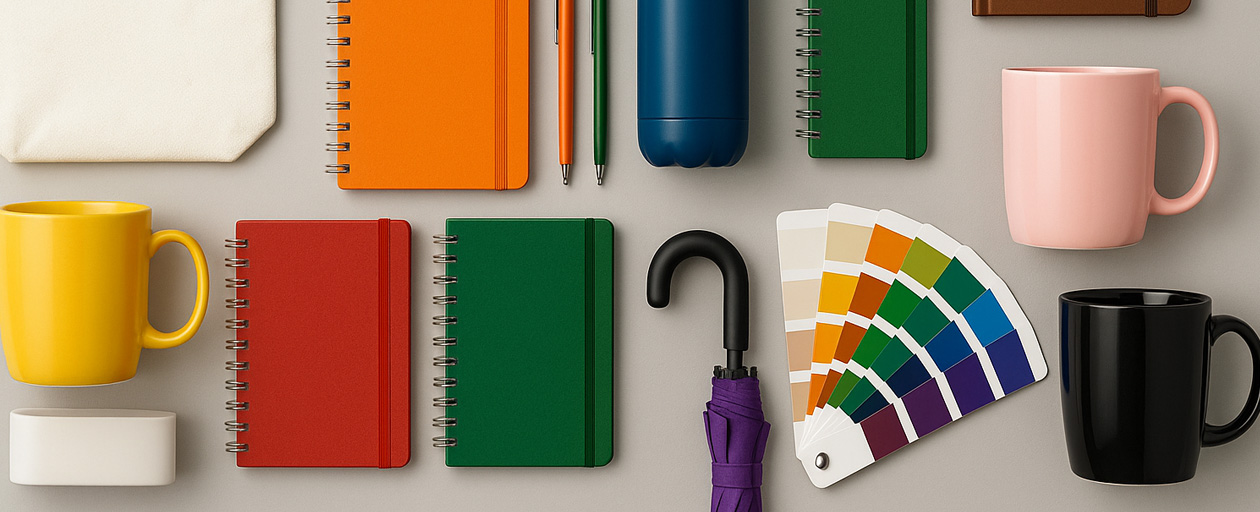
Color psychology looks at how hues shape emotion and behavior. If you want a well-chosen business gift to land, pick the right color. Below is what each hue signals in a business context and how to decide when to match or avoid brand colors.
Colors Influence Us More Than We Think
Researchers agree on several common effects of core colors. Use them to align the gift with your relationship goal.
What Each Color Communicates
- White: peace, clarity, new beginnings, truth, innocence. Pairs with any palette.
- Yellow: creativity, brightness, boldness, youthfulness, curiosity.
- Orange: energy + warmth from red and yellow; creativity, communication, approachability.
- Red: life, passion, vitality, speed, action. High impact.
- Green: patience, nature, balance, safety, loyalty. Ideal for eco themes and sustainability.
- Blue: water and sky; trust, cleanliness, protection, wisdom, openness, ambition. Great for professional gifts.
- Purple: intelligence + emotion; luxury, prestige, restraint, control, wisdom.
- Pink: softness, positivity, gentle tone. Popular for feminine-leaning gifts.
- Brown: stability, tangibility, comfort, security. Reduces uncertainty.
- Black: prestige, premium, timeless. Works well for high-end gifts.
Gifts vs. Corporate Identity Colors
Most clients expect gift colors to echo the logo. Consistency helps recognition, but it is not always optimal. Example: an orange umbrella for a senior CEO may feel off-tone. Neutral bases (black, white, gray) with a subtle brand accent often read more elegant and broadly acceptable.
Why the Right Color Helps You Sell
Color is a primary visual cue. It shapes product interpretation and brand perception. Studies show that color can be a decisive purchase factor for many consumers. The gift’s hue and the background behind your logo can nudge emotion and favorability, improving recall and differentiation.
Practical Guidance
- Define the goal: calm, motivate, impress, or signal premium.
- Match tone to recipient context, not only to brand palette.
- Use neutrals for broad audiences; add brand color as an accent.
- Test a small run when unsure and gather feedback.
Conclusion
Choose gift colors with intent. The right hue reinforces your message, respects the relationship, and supports better outcomes for both branding and sales.
Leave a Reply